Leading X-ray Protection, Your Shield in Healthcare

0086-18396692778
0086-15866467382
Give us a call / Wechat
longyuemedical@126.com
Send an Email
Author: Site Editor Publish Time: 2025-10-31 Origin: Site


In modern medical facilities, shielding against radiation isn't just about walls and aprons — it's about smart solutions that integrate into the workflow. Among these, lead-lined curtains(sometimes called lead curtains or shielding curtains) serve as flexible, effective barriers in high-use spaces such as surgical theatres and CT suites. Here's how they deliver value and why your facility should consider them.
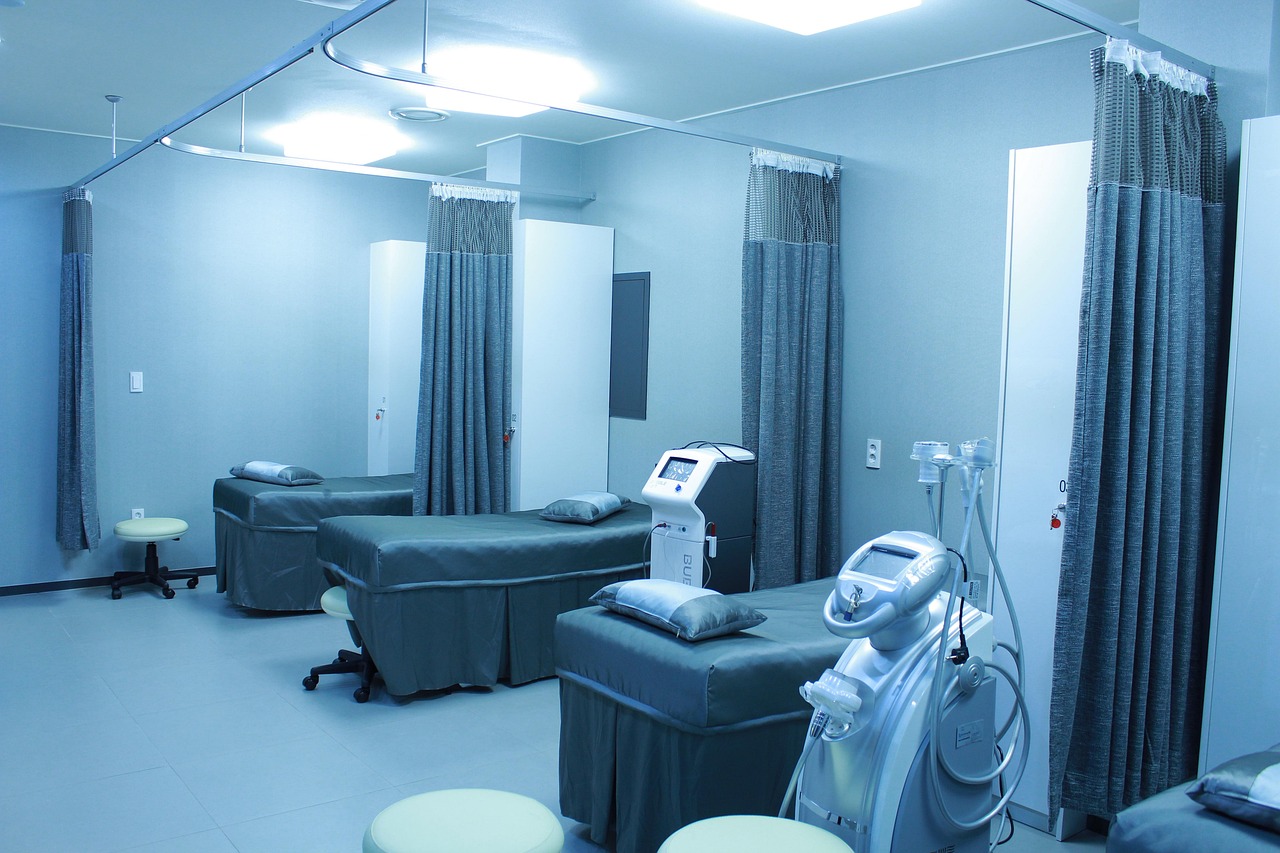
For rooms where the gantry rotates (such as CT) or where a C-arm is in use during surgery, the volume and directions of scatter increase. In fact, one reference observes that CT rooms require more robust shielding due to "higher radiation doses increased scattered radiation".
| Location | Typical Use Case | Curtain Role |
|---|---|---|
| Hybrid OR / Interventional Suite | Use of C-arm fluoroscopy during surgery | Positioned between staff and imaging source or patient to shield legs, lower body, control area |
| CT Room (adjacent control room) | High-output CT scans where staff may be near gantry | Curtain lines the opening or window to block scattered radiation into tech or adjacent areas |
| Mobile imaging or shared spaces | Portable X-ray or mobile C-arm in multipurpose theatre | Curtain allows partial protection without full fixed barrier wall |
Lead-equivalent thickness: Effective shielding depends on the material's lead equivalent (e.g., 0.5 mm Pb, 1.0 mm Pb). In one CBCT study, a 0.5 mm Pb curtain achieved significant reductions.
Coverage area: The size (height × width) must cover the scatter paths, not just primary beams. The imaging-room design blog recommends curtains extending to appropriate heights for windows or openings.
Mobility & mounting: Track systems, trolleys, hooks are useful if the curtain needs to move in/out of the way. One product page describes options for various hardware.
Material options: Besides traditional lead-lined vinyl, some lead-free alternatives exist — useful where weight or flexibility is a concern.
Integration with workflow: Ensure the curtain doesn't interfere with procedures, sterile field, or equipment movement. IAEA guidance emphasizes that ancillary protective barriers "should be part of the initial facility plan… and should be designed so as not to interfere with the medical procedure".
Place it strategically: Identify zones where staff are exposed (e.g., near gantry, beside table) and locate the curtain accordingly.
Train the team: Make sure staff understand when the curtain should be deployed (during imaging) and that open/closed status matters.
Maintain coverage: Check that the curtain is fully drawn, overlaps are correct, and there are no gaps.
Coordinate with tabling and sterility: In ORs, movement of equipment and surgery staff must be considered when deploying curtains.
Monitor and review: Use dose-monitoring (dosimeters) or scatter measurements (if applicable) to verify that shielding performs as expected.
Lead curtains offer a strong, flexible layer of protection against scatter and leakage radiation in demanding clinical environments like ORs and CT rooms. They complement structural shielding, support compliance with safety standards, and contribute to a safer environment for staff and patients alike.
If you're looking for a reliable manufacturer of high-quality X-ray protective curtains — with custom sizes, lead-equivalent options, and wholesale support — contact Longkou Longyue. As a specialist manufacturer, Longkou Longyue offers tailored solutions for ORs, CT suites, imaging centres and more.
Discover more at www.longyuemedical.com
Email: lyylqx@126.com


